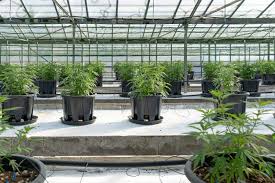
What are cannabis climate control systems, and why are they important?
Cannabis climate control systems regulate the environmental conditions within cultivation facilities. These systems are crucial because cannabis plants are highly sensitive to temperature, humidity, and airflow. Proper Cannabis Climate Control management ensures consistent growth, maximizes yield, and prevents issues such as mold, pests, or nutrient deficiencies. Studies show that maintaining optimal conditions can increase overall crop yield by up to 30% compared to uncontrolled environments.
What are the key components of a cannabis climate control system?
A typical system includes heating, ventilation, and air conditioning (HVAC) units, humidifiers or dehumidifiers, fans, and advanced sensors to monitor temperature, humidity, and CO2 levels. Modern setups often integrate with smart controllers, allowing real-time adjustments and data tracking. Research indicates that facilities using automated climate control experience a 25% reduction in energy consumption while improving plant health.
How does temperature affect cannabis growth?
Cannabis plants thrive in specific temperature ranges. During the vegetative stage, daytime temperatures between 70–85°F (21–29°C) and nighttime temperatures around 65–75°F (18–24°C) are ideal. Flowering plants require slightly cooler conditions, with daytime temperatures of 65–80°F (18–27°C). Maintaining these ranges promotes photosynthesis efficiency and reduces stress, leading to stronger plants and higher cannabinoid production.
What role does humidity play in cultivation?
Humidity control is essential to prevent mold and mildew while supporting transpiration and nutrient uptake. During vegetative growth, relative humidity should be around 40–70%, while flowering stages benefit from 40–50%. Statistics from controlled environment studies indicate that precise humidity management can decrease mold incidence by over 40%, protecting both yield and quality.
How is airflow managed in cannabis facilities?
Air circulation prevents stagnant zones that can encourage pests and disease. Well-designed climate systems use oscillating fans and ducting to ensure uniform airflow, while exhaust systems remove excess heat and humidity. Data shows that proper airflow can reduce localized temperature spikes by up to 10°F (5°C), which is critical for maintaining consistent plant growth.
Are energy-efficient climate control systems cost-effective?
Investing in energy-efficient HVAC and environmental controls may have higher upfront costs but often yields long-term savings. Facilities that implement efficient systems can reduce electricity usage by 20–30%, while also benefiting from improved plant quality and fewer losses due to environmental stress.
What trends are emerging in cannabis climate control?
Smart, automated systems integrated with IoT devices and data analytics are becoming standard. Growers can now monitor and adjust conditions remotely, track historical data, and predict environmental adjustments based on plant growth stages. Reports indicate that facilities adopting smart climate control achieve higher consistency in crop performance and better return on investment.
In conclusion, effective cannabis climate control systems are more than just a convenience—they are essential for optimizing growth, protecting plant health, and improving operational efficiency. Proper implementation can directly impact yield, quality, and overall profitability.