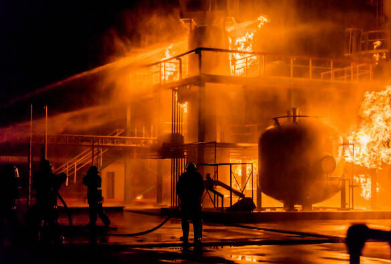
Fire watch guards are trained professionals tasked with monitoring areas that pose a high risk of fire. Their primary responsibility is to detect early signs of fire hazards and respond immediately, reducing the chance of property damage or injury. Whether in industrial sites, construction zones, or large commercial complexes, these guards act as a proactive line of defense.
2. How do fire watch guards detect fire hazards before they escalate?
Fire Watch Guards perform continuous surveillance, paying attention to potential ignition sources such as electrical equipment, flammable materials, or welding operations. They use visual inspections and sometimes portable fire detection equipment to identify hazards. Studies show that early detection can reduce fire damage costs by up to 50%, highlighting the effectiveness of having trained personnel on site.
3. Can fire watch guards prevent financial losses due to fires?
Yes. Fires are a major source of unexpected financial burden. According to industry statistics, a single small-scale fire in a commercial property can result in losses exceeding $50,000 in repairs and lost productivity. Fire watch guards act as a preventive measure, minimizing such incidents through constant vigilance and timely intervention.
4. What types of environments require fire watch guards?
High-risk environments include construction sites, manufacturing plants, chemical storage facilities, and any location undergoing hot work such as welding, cutting, or grinding. Data from workplace safety reports indicate that sites with fire watch monitoring experience 60% fewer fire incidents compared to unmonitored sites, emphasizing their importance in risk-heavy industries.
5. How quickly can fire watch guards respond in an emergency?
Response time is critical in fire prevention. Fire watch guards are trained to act immediately, often containing small fires before they escalate. Quick actions, such as deploying fire extinguishers or notifying emergency services, can prevent significant damage. In fact, emergency response analyses show that a fire contained within the first few minutes typically causes 70% less structural damage than fires left unattended.
6. Do fire watch guards only monitor fires visually?
While visual monitoring is a key part of their duties, fire watch guards also follow detailed checklists, inspect fire suppression systems, and ensure that safety protocols are adhered to. Some may operate portable detection devices, adding another layer of safety. This combination of observation and active prevention significantly lowers the risk of costly fire incidents.
7. How do fire watch guards support workplace safety culture?
Beyond prevention, fire watch guards reinforce safety awareness among staff. Their presence reminds employees of fire risks, encouraging adherence to safety practices. Research indicates that workplaces with proactive safety personnel experience 40% fewer accidents overall, showing the broader impact of fire watch services.
8. Are fire watch guards cost-effective for businesses?
Absolutely. Hiring trained guards is a strategic investment. The cost of a fire watch guard is often marginal compared to potential losses from fire-related property damage, downtime, and insurance claims. Organizations that implement fire watch programs report improved safety records and reduced emergency expenses over time.
Conclusion:
Fire watch guards play an indispensable role in preventing costly fire hazards. Through vigilant monitoring, immediate response, and consistent reinforcement of safety practices, they protect lives, property, and business continuity. For companies in high-risk environments, investing in professional fire watch services is not just a precaution—it’s a financial and operational safeguard.